
Last updated: August 2025
Lenders, landlords and underwriters rely on bank statements to confirm steady income, genuine accounts and responsible cashflow. These documents can speed up approvals—or stall them—depending on how accurate, complete and readable they are. If you’re collecting bank statements for personal loan applications in the U.S., UK or Canada, understanding what to submit—and what not to change—saves time and protects you legally.
This guide explains how many months of statements are typically required by region and borrower type, what edits are permitted, and which changes are illegal. You’ll also find practical checklists, risk flags and links to official resources so you can present a clean, compliant file the first time.
At FinancialDocsProvider.com we format, organise and package financial documents—never the numbers. We do not fabricate balances, dates or parties. Our role is to help you deliver clear, professional records that decision‑makers can verify quickly.
Related Entities & Terms
- Proof of income (W‑2, 1099, T4 slips, Notice of Assessment/NOA)
- Pay stubs, payslips and direct deposit verification
- Self‑employment documents: invoices, ledgers, profit & loss statements
- Regulators: CFPB, FTC, IRS (US); FCA & GOV.UK (UK); FCAC & CRA (Canada)
- Anti‑money laundering (AML) & Know Your Customer (KYC) rules
- Loan types: personal loans, auto loans, SBA loans, student financing
- Bank statement formatting, redaction, OCR and pagination
- Statement errors and dispute letters
- Credit reports and scores
What are the legal basics of bank statements for personal loans?
Summary: Lenders ask for bank statements to verify income, balances and account legitimacy. Across regions, the norm is two to three months for employees and up to six months for self‑employed borrowers. Understanding these rules for bank statements for personal loan files helps you avoid delays and compliance issues.
In the U.S., many lenders request the two most recent bank statements and may ask for updates if underwriting takes longer than expected. In Canada, lenders look for proof of regular income, an active bank account and a permanent address. In the UK, government‑backed programmes commonly require three consecutive months of personal statements that include every page and transaction. Self‑employed borrowers in any country are often asked for up to six months of statements to show cash‑flow stability.
Despite regional differences, one legal principle is universal: statements must accurately reflect your financial history. You should provide complete documents, including any pages marked “intentionally left blank.” Do not alter balances, dates, payees or running totals. Lenders review large deposits, verify income sources and apply AML and KYC checks, so transparency is critical.
Submitting incomplete or false information risks denial and potential allegations of fraud. Underwriters cross‑check statements against pay stubs, tax returns and credit reports. If something doesn’t add up, they will ask questions or decline the application.
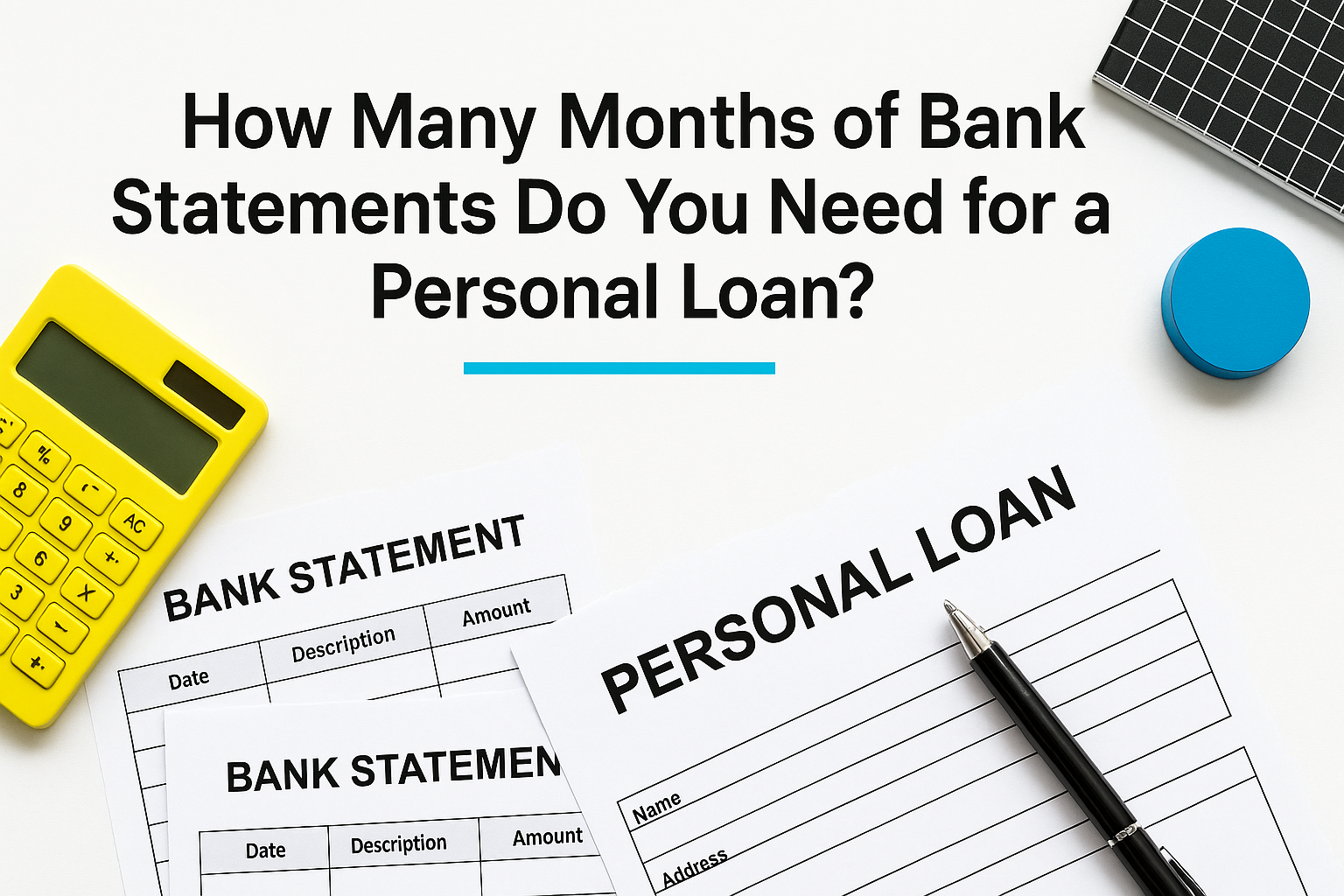
At a glance—typical requests by region:
- United States: Usually the two most recent statements; updates may be required if the review period extends.
- United Kingdom: Commonly three consecutive months of personal statements; all pages and transactions must be present.
- Canada: Proof of regular income, an active account and a permanent address; self‑employed borrowers often provide six months.
What lenders look for: regular payroll or client deposits, consistent balances, manageable outflows and clear explanations for large or unusual deposits. If you receive cash, deposit it promptly so it appears on your statements.
Mini‑scenario: You apply for a $10,000 personal loan in June. The lender asks for April and May statements. Underwriting extends into July, so they request June as well. This isn’t a setback—it’s routine and keeps your file current.
Which bank statement edits are allowed?
Summary: You can edit your own statements for readability and privacy, but never to change financial facts. Permissible edits improve clarity without altering balances, dates, payees or transactions.
Legally permitted edits include:
- Redacting sensitive information: Mask full account numbers, Social Security numbers, taxpayer IDs or home addresses. Leave the account name and enough digits visible for verification. Example: Show the last four digits and the account holder’s name.
- Organising pages: Combine multi‑page statements into a single PDF, reorder pages chronologically and rotate sideways pages. Ensure no pages are missing when you merge files.
- Improving legibility: Adjust contrast or brightness, remove scanner shadows and run OCR to convert images into searchable text. These steps help reviewers and are lawful when numbers remain untouched.
- Adding bookmarks or labels: Use bookmarks to indicate months, accounts or sections. A short cover page listing included statements can speed up review.
- File compression: Reduce file size to meet upload limits, provided the content remains clear and unaltered.
If you’re self‑employed and mix business with personal spending, consider separating business transactions and annotating regular income deposits. Do not delete or blur legitimate entries. If you find an error, use your bank’s dispute process rather than “fixing” a PDF. U.S. consumers, for example, have error‑resolution rights for unauthorised transfers under Regulation E of the Electronic Fund Transfer Act. Similar protections exist in other jurisdictions through consumer‑protection bodies.
Practical tip: When redacting, apply consistent blocks or overlays, not freehand marker lines. Irregular redactions draw attention and can trigger secondary checks.
What edits are illegal when preparing statements?
Summary: Any edit that misrepresents facts is unlawful. Changing balances, dates, payees or transactions—no matter how small—is treated as forgery and can carry criminal penalties.
Prohibited actions include:
- Altering amounts or dates: Inflating balances, moving pay dates or reducing withdrawals to improve your profile.
- Deleting transactions: Removing overdrafts, gambling activity or fees to hide spending patterns.
- Inserting fake deposits: Adding fictional salary or transfer entries to boost apparent income.
- Creating fake statements: Producing statements for accounts that don’t exist or that belong to someone else.
Why this gets caught: lenders verify statements by reconciling running balances with transaction totals, checking PDF metadata, and comparing your documents with data retrieved directly from banks or via secure account‑linking tools. If altered documents are detected, expect denial and potential legal consequences, including charges related to fraud or forgery.
Compliance Snapshot: Allowed vs. Illegal Edits
Allowed: Redacting account numbers; adjusting brightness; merging pages; adding bookmarks; compressing files; converting scans to searchable PDFs.
Illegal: Changing balances, dates or payees; deleting transactions; adding fake deposits; producing statements for non‑existent accounts.
Remember: FinancialDocsProvider.com will never change financial facts. We focus on formatting and organisation so your genuine records pass compliance checks without drama.
When do you need professional document formatting?
Summary: The right level of documentation depends on your situation. Employees with stable payroll usually submit two to three months of statements; self‑employed applicants prepare more and include supporting evidence. In competitive scenarios—rentals, auto financing or small‑business loans—clean, complete files can be the deciding factor.
Below are common scenarios and how many months of bank statements you should prepare.
Renters & landlords
Rental applications frequently require two to three months of bank statements alongside recent pay stubs or payslips. Landlords want to see regular income, a healthy post‑rent balance and no unresolved overdrafts. In tight markets, a well‑organised file can set you apart.
What to prepare:
- Two to three months of complete statements for the account that receives your income.
- Recent pay stubs or payslips that match deposits in your statements.
- Evidence of savings equal to two to three months of rent, if requested.
- Clear notes for any large deposits (e.g., gift letter or invoice).
Mini‑scenario: A London renter submits three months of statements and matching payslips. The landlord approves quickly because deposits and balances align and all pages are present.
Auto loans & car financing
Auto lenders typically ask for the last two or three statements plus proof of income. They scan for regular payroll deposits and enough residual balance to cover the car payment. Variable income or thin credit may trigger requests for additional months.
What to prepare:
- Two to three months of statements for employees; up to six months for variable income.
- Employer verification or business invoices that match bank deposits.
- Evidence of down‑payment funds and no unexplained large transfers.
Mini‑scenario: A gig‑economy driver provides six months of statements showing weekly payouts and sets aside funds for insurance and fuel. The consistent inflows help offset the variability of earnings.
Small‑business & SBA loans
Small‑business lending is more document‑heavy. Expect requests for personal financial statements, tax returns, business bank statements and cash‑flow projections. Sole proprietors may be asked for six to twelve months of statements so lenders can assess earning capacity through seasons.
What to prepare:
- Six to twelve months of business and personal statements, depending on lender.
- Tax returns, profit‑and‑loss statements and, if available, management accounts.
- Explanations for large deposits, inter‑account transfers and owner draws.
- Invoices or contracts that align with recurring client payments.
Mini‑scenario: A UK startup applies for funding with three months of personal statements and a neat file of invoices. The reviewer requests three additional months for context, which the applicant supplies the same day.
Self‑employed & freelancers
Self‑employed applicants face extra scrutiny because income fluctuates. Lenders usually request at least six months of statements along with tax forms and proof of business activity. Clear labelling of business deposits and separation from personal spending strengthen your case.
What to prepare:
- Six months of statements for the account where client payments land.
- 1099s/T4s, notices of assessment and business registration documents.
- An expenses summary or P&L that explains swings in cashflow.
- Notes for seasonal spikes, refunds or project‑based deposits.
Mini‑scenario: A Canadian freelancer highlights monthly retainers and tags one‑off project payments. The lender sees predictable baseline income and approves with a standard rate.
How does our process work?
Summary: We apply a compliance‑first workflow that focuses on accuracy, completeness and readability. Our team reconciles statements, formats them into a single indexed PDF and flags discrepancies for you to resolve with your bank. The result is a submission‑ready packet that underwriters can review efficiently.
At FinancialDocsProvider.com, here’s how we work from start to finish:
- Consultation: We map your situation—personal loan, rental, auto loan or small‑business financing—and identify how many statements you’ll likely need by region and lender type.
- Document intake: You provide original statements (PDF or high‑quality scans), pay stubs, tax forms and any requested proofs. Most borrowers gather the last two to six months depending on their case.
- Reconciliation & review: We verify that statements are complete, consecutive and internally consistent. Running balances must match transaction totals, and deposits should align with pay stubs or invoices. If something looks off, we flag it for you to address directly with your bank.
- Formatting & redaction: We assemble a single, bookmarked PDF; apply privacy‑safe redactions; adjust contrast and orientation; run OCR; and ensure page counts and dates are obvious. We never change financial facts.
- Delivery: We deliver your organised file securely, ready for upload or email. Turnaround is typically 24–48 hours, with rush options available for urgent deadlines.
- Aftercare: If the lender asks for updated months, we can format and append them so your packet stays current.
Quality guardrails: dual review for page completeness, metadata sanity checks, and explicit notes when lenders may request more months due to timelines or variable income.
What’s in our compliance checklist?
Summary: Use this checklist to prepare your file before you apply. It covers how many statements to gather, what to include, and how to present everything cleanly to reduce follow‑ups.
Use this checklist to prepare your bank statements and related documents before you apply:
- Gather the right number of statements: U.S. borrowers usually need the last two; UK borrowers should prepare three; self‑employed or business applicants often provide six months.
- Include all pages: Even pages marked “intentionally left blank” must be included to avoid tampering concerns.
- Check dates and account names: Statements should be consecutive. The account name must match your ID; provide documentation for any recent name change.
- Verify income deposits: Confirm that salary or client payments appear regularly and match your pay stubs or invoices.
- Document large deposits: Prepare a brief note for unusual deposits and keep supporting documents (gift letter, invoice, contract).
- Redact cautiously: Mask only what’s necessary for privacy, not amounts or dates needed for verification.
- Scan or download statements properly: Use your bank’s official statement download tool. Avoid screenshots, which some lenders refuse.
- Organise supporting documents: Gather pay stubs, tax returns, identification and proof of address. Some lenders ask for proof of an active bank account and a permanent address.
- Maintain a record: Keep digital copies of all statements for at least six months after funding in case the lender requests updates.
- Name files clearly: Use a consistent convention such as BankName‑Checking‑2025‑05.pdf to help reviewers find what they need fast.
- Check legibility: Make sure every page is readable at 100% zoom. Re‑scan dark or skewed pages before you submit.
- Bundle smartly: If the lender allows it, combine all statements into a single, bookmarked PDF so nothing goes missing.
What red flags cause statement rejections?
Summary: Underwriters watch for gaps, inconsistencies and signs of manipulation. Many rejections stem from avoidable issues like missing pages or unexplained deposits. Fix these before you submit to keep your file moving.
Underwriters and compliance officers look for patterns that suggest risk or fraud. Avoid these common issues:
- Missing pages or months: Incomplete statements raise suspicions and delay processing.
- Inconsistent balances: Running totals that don’t match transaction entries suggest tampering or scanning errors.
- Unexplained large deposits: Sudden cash injections may require a gift letter or invoice. Without one, expect extra verification.
- Mismatched names or addresses: If the account name differs from your application, lenders may think the account isn’t yours.
- Rounded figures: Too many perfectly rounded transactions can indicate fabricated entries; real‑world amounts vary.
- Frequent overdrafts or NSF fees: Repeated negative balances signal instability and can affect terms or approval.
- Poor image quality: Blurry scans, shadows or illegible text prompt resubmissions. Use official downloads instead of photos.
- Metadata anomalies: PDFs with odd creation dates or conflicting page counts invite closer scrutiny.
- Duplicate deposits: The same deposit listed twice, without a clear reason, looks like manipulation or a bank error that needs explaining.
If you spot any of these issues, address them before submission. For bank errors, use the formal dispute process and keep the case reference. For legitimate large deposits, include a short explanation and supporting document.
Need a refresher on common pitfalls? See our internal guide on bank statement red flags for a quick checklist.
Official resources & further reading
Summary: When in doubt, consult regulators and official guidance. The links below explain what lenders look for and how to protect yourself while applying.
For more information on legal requirements and consumer protections, explore these resources:
- CFPB: Create a loan application packet – Guidance on assembling a complete file, including recent bank statements and all pages.
- FCAC: Personal loans guide – Overview of proof‑of‑income expectations and account/address requirements in Canada.
- Start Up Loans (UK) – States that applicants must provide three months of personal statements and that screenshots aren’t accepted.
- Scotiabank: Unsecured Loan Document Checklist – Example of lenders requesting six months of statements from self‑employed borrowers.
- Oportun: What documentation do you need for a personal loan? – Explains common documentation, including bank statements showing income deposits.
- Spring Financial: Why do you need my bank statement? – Describes how statements help verify income and account details.
For deeper guidance on bank statement formatting and compliance, check out our related posts:
FAQs
Summary: These quick answers cover the most common questions we hear from borrowers. Always confirm with your specific lender, as document requests can vary by product and timeline.
- How many months of bank statements do I need for a personal loan in the U.S.?
- Most U.S. lenders ask for the two most recent statements. If underwriting extends or if you have variable income, be ready to provide additional months to keep your file current. Confirm the exact timeframe with your lender before you submit.
- Do UK lenders require three months of bank statements for personal loans?
- Many UK lenders, including government‑backed programmes, request three consecutive months of personal statements. Every page and transaction must be included. Some lenders may ask for more based on your circumstances.
- What if I’m self‑employed?
- Plan on at least six months of statements, plus tax returns and proof of business activity. Clear labels for recurring client deposits and separation from personal spending help reviewers assess cash‑flow stability.
- Are digital bank statements acceptable?
- Yes. Official e‑statements downloaded from your bank’s portal are widely accepted and reduce the risk of missing pages. Avoid screenshots; some programmes explicitly do not accept them.
- Can I redact personal information?
- Yes. You may mask portions of account numbers or personal identifiers for privacy. Keep names, dates, amounts and enough digits visible so the lender can verify the account without doubt.
Need accurate, reliable financial documents fast? Contact FinancialDocsProvider.com now.


Add comment